Fun Facts
Grey reef sharks have special sense organs called ampullae of Lorenzini. They detect tiny electrical signals made by the muscles of other animals.
A shark’s sense of smell is extremely strong. It can help the shark notice tiny traces of food in the water.
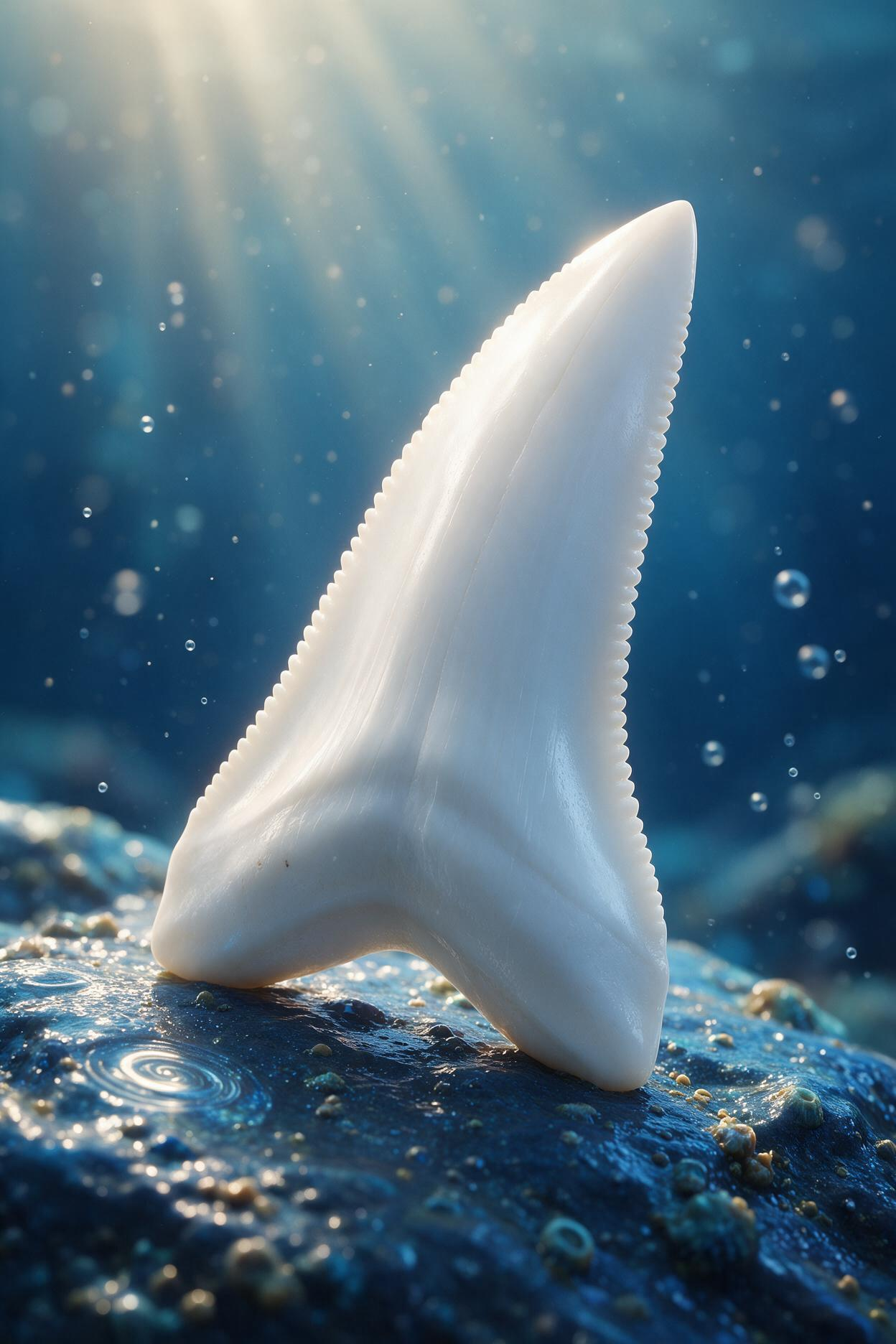
Shark teeth are arranged in rows. When a tooth falls out, another tooth moves forward to replace it.
Grey reef sharks are important predators. By eating weaker or sick animals, they help keep fish populations healthy.
They often live near reef slopes and channels, where currents bring food and oxygen.
Many grey reef sharks are more active at night, when reef animals leave their hiding places.
Baby grey reef sharks are born fully formed. They do not need help from their mother and can swim right away.
Some smaller fish may swim close to a shark for protection, because other predators may avoid the shark.
Sharks may use Earth’s magnetic field and ocean currents to navigate across large areas of water.
Coral reefs are among the most diverse ecosystems on Earth. Grey reef sharks are one of their important predators.
Life Cycle
Grey reef sharks give birth to live young rather than laying eggs. A mother may have a small number of babies at a time. The babies are called pups.
Young sharks grow slowly and may need many years to become adults. This is one reason why protecting adult sharks is important for the future of the species.
Are Grey Reef Sharks Endangered?
Grey reef sharks face problems from overfishing, habitat damage, pollution, and climate change. In some places, their numbers have decreased. Protecting coral reefs and reducing harmful fishing helps sharks and many other sea animals.